MZANSI INSECT OF THE YEAR 2026
Top 10 finalists 2026


1. Spiny flower mantis
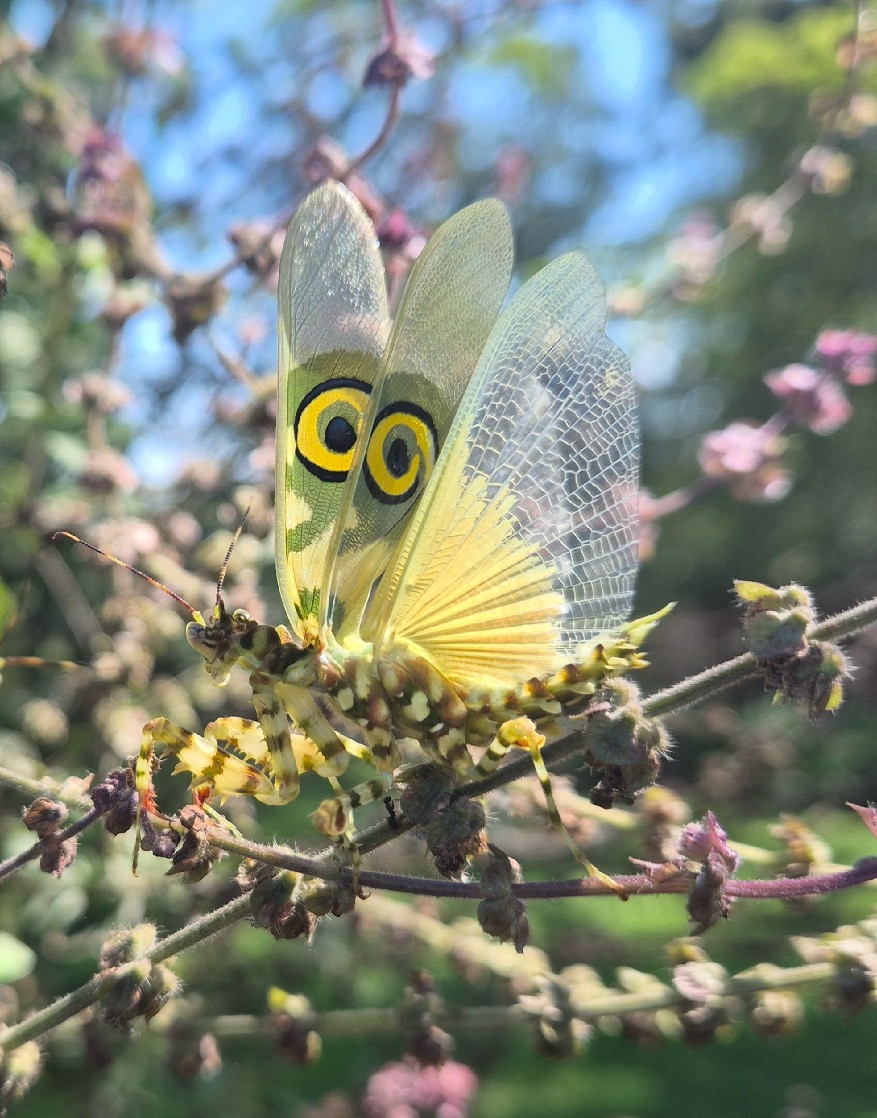
Pseudocreobotra wahlbergii
A master of disguise that mimics the flowers it hunts on. Found in eastern and southern Africa, it can turn green, yellow, cream, pink or purple to match its surroundings, then waits for flies, bees and butterflies to come within reach. When threatened, it flashes bold spiral eyespots on its wings to startle predators.
Nominated by: Adele Snyman, Diana Martin, Rick Proctor and others
Photo: CC BY-NC 4.0, sue52888, iNaturalist observation
2. Caledon heelwalker
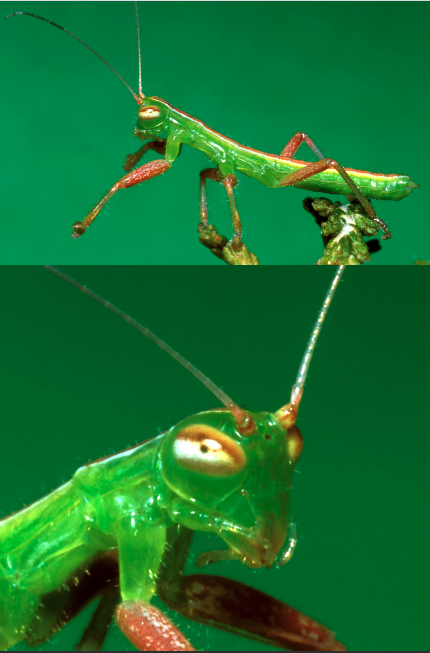
Austrophasma caledonense
Heelwalkers were only described in 2002 – the first insect group recognised at this deep level since 1914. Found only in Africa, these night-time hunters stalk small insects with spiny forelegs, walking with their heels held up in the air. Males and females court by tapping their abdomens on the ground, and their eggs survive the dry Cape summer in pods of cemented sand.
Nominated by: Simon van Noort
Photos: © Simon van Noort
3. Honeybee
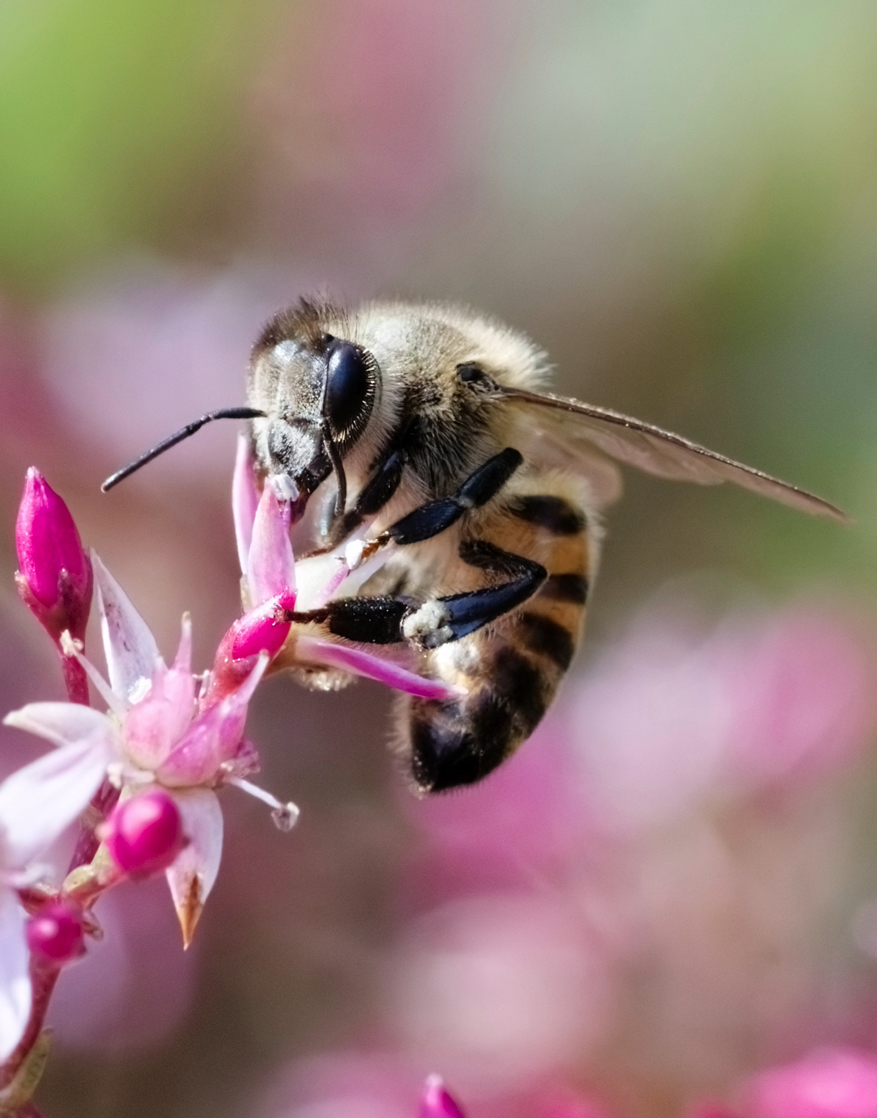
Apis mellifera
Nominated by: Anneki Wilken, Jack Grundling, Jan Molenaar, Deidre Pretorius and about 30 others
Photo: Risuna Mavasa
4. Brush jewel beetle
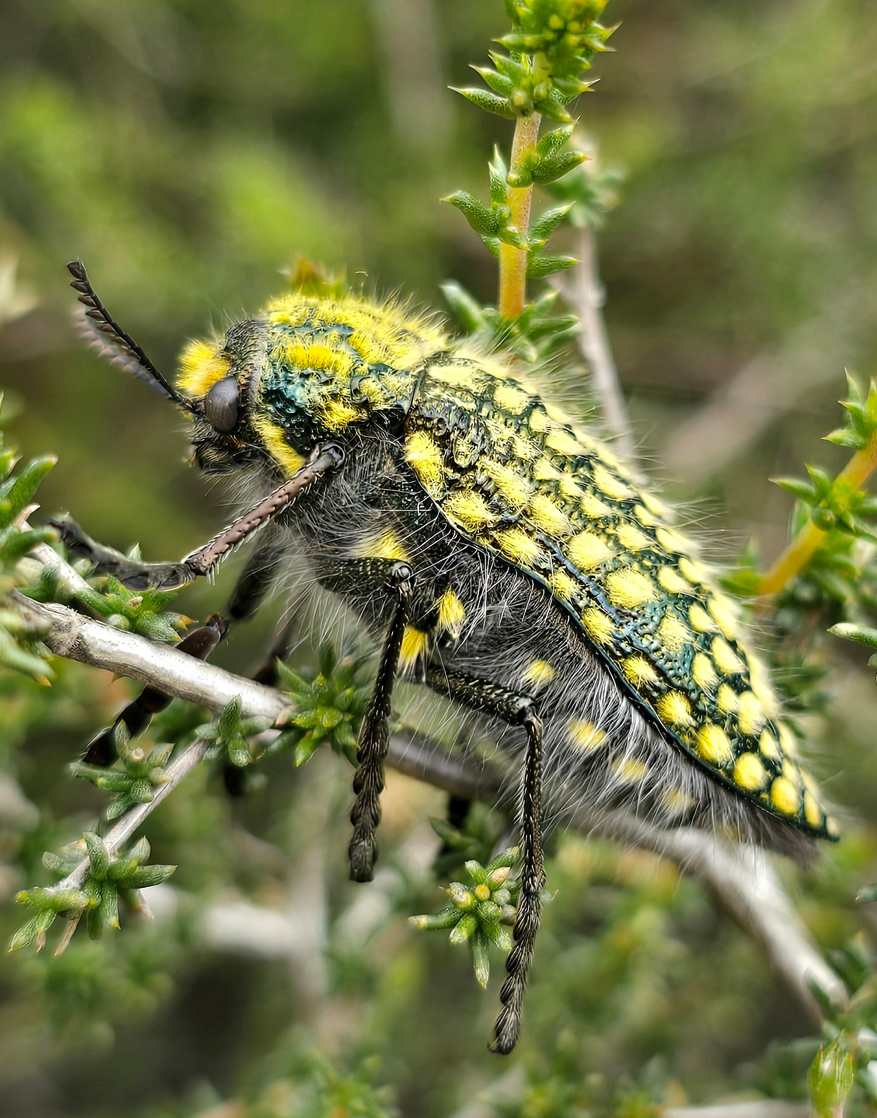
Julodis species
Spectacular semi-arid specialists with tufts of bright yellow or orange hair and metallic green or blue wing cases. South Africa has the highest diversity of brush jewel beetles, found from Namaqualand and the Karoo to the Fynbos. They lay the largest eggs of any insect relative to body size, and adults appear for only about two months in early spring.
Nominated by: Renier Basson
Photo: Renier Basson
5. Giant cone-headed mantis
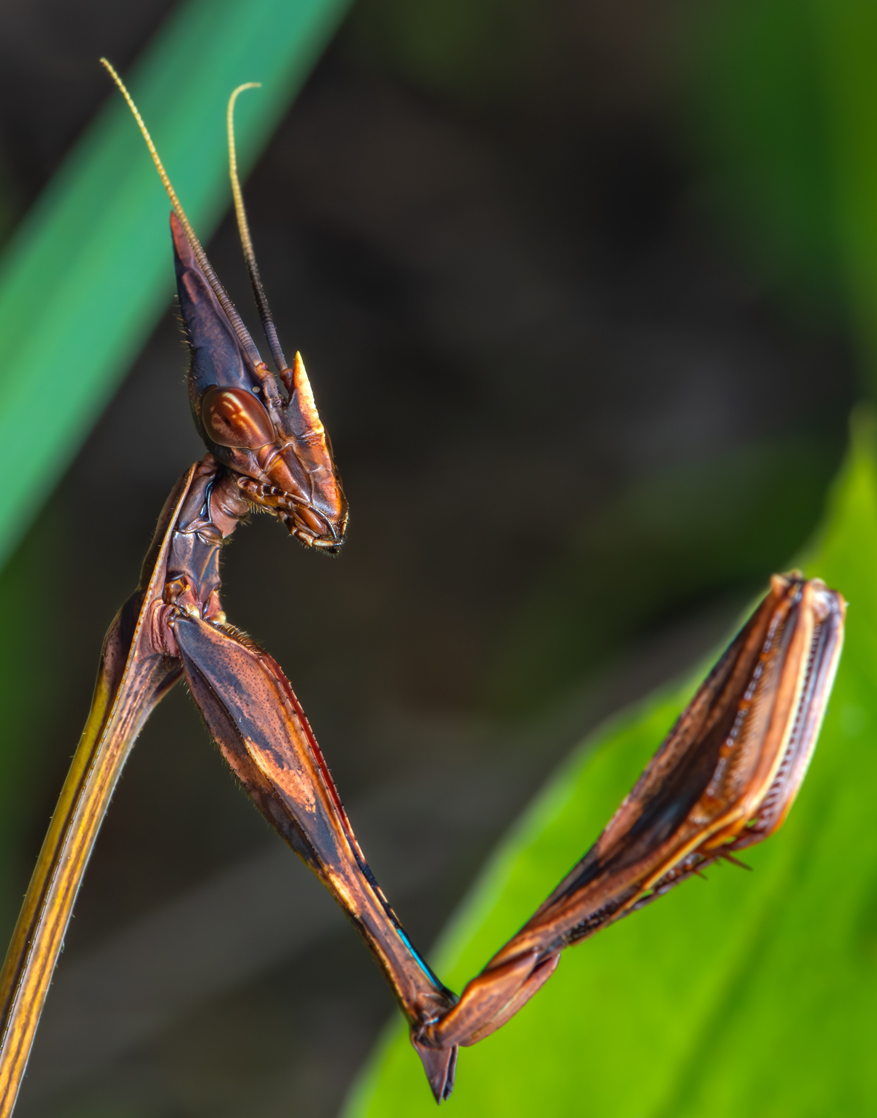
Hemiempusa capensis
Large, alien-looking and almost impossible to spot, this mantid blends in like “an angry pile of twigs ready to pounce”. Its tall, cone-shaped head sets it apart from most other mantids. It is considered rare, but it may simply be better at hiding than we are at looking.
Nominated by: Willem (Wimpie) Bezuidenhout
Photo: Willem Bezuidenhout
6. Rainbow cuckoo wasp
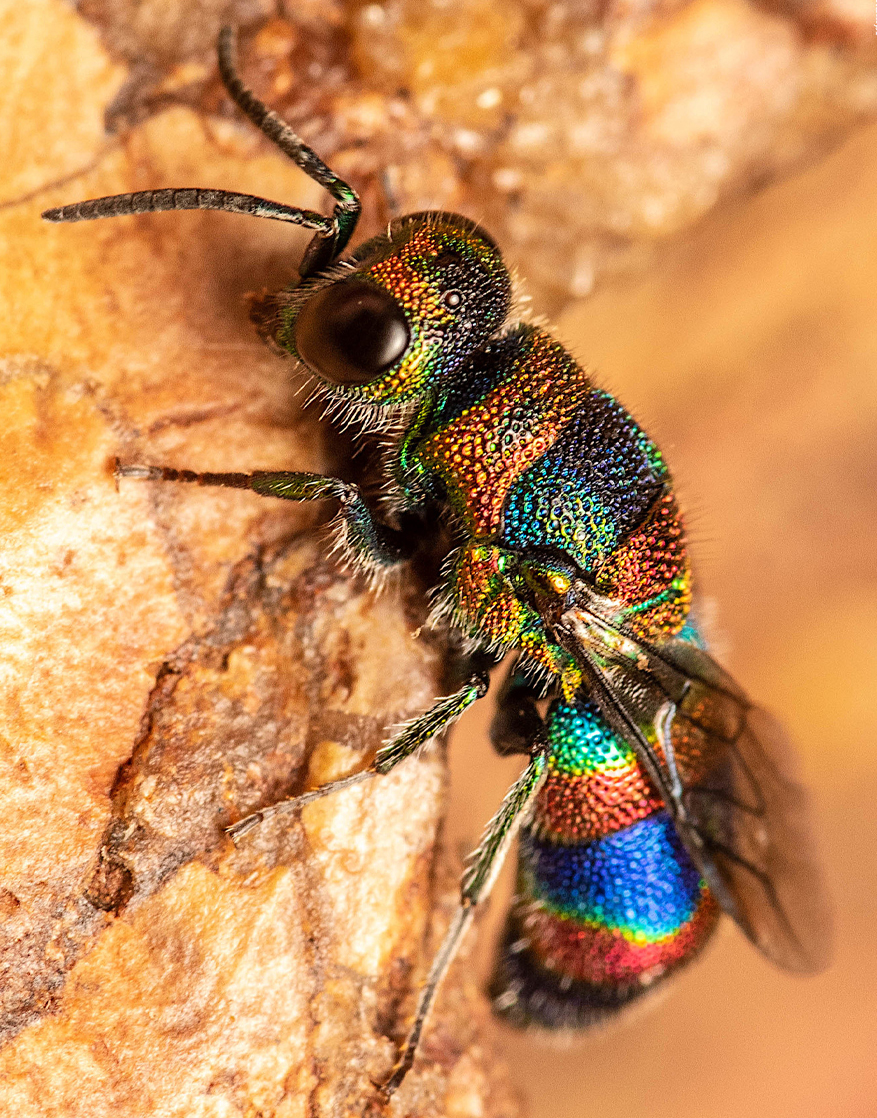
Chrysis mionii
Glittering in metallic green, blue, purple and red, this small wasp is one of Africa’s most dazzling insects, found from Senegal to South Africa. Like other cuckoo wasps, it lays its eggs in the nests of other insects. Its nominator chose it because it draws international attention to South Africa’s stunning insects.
Nominated by: Rudolph Steenkamp, Deon Oosthuizen
Photo: Rudolph Steenkamp
7. Yellow-veined widow
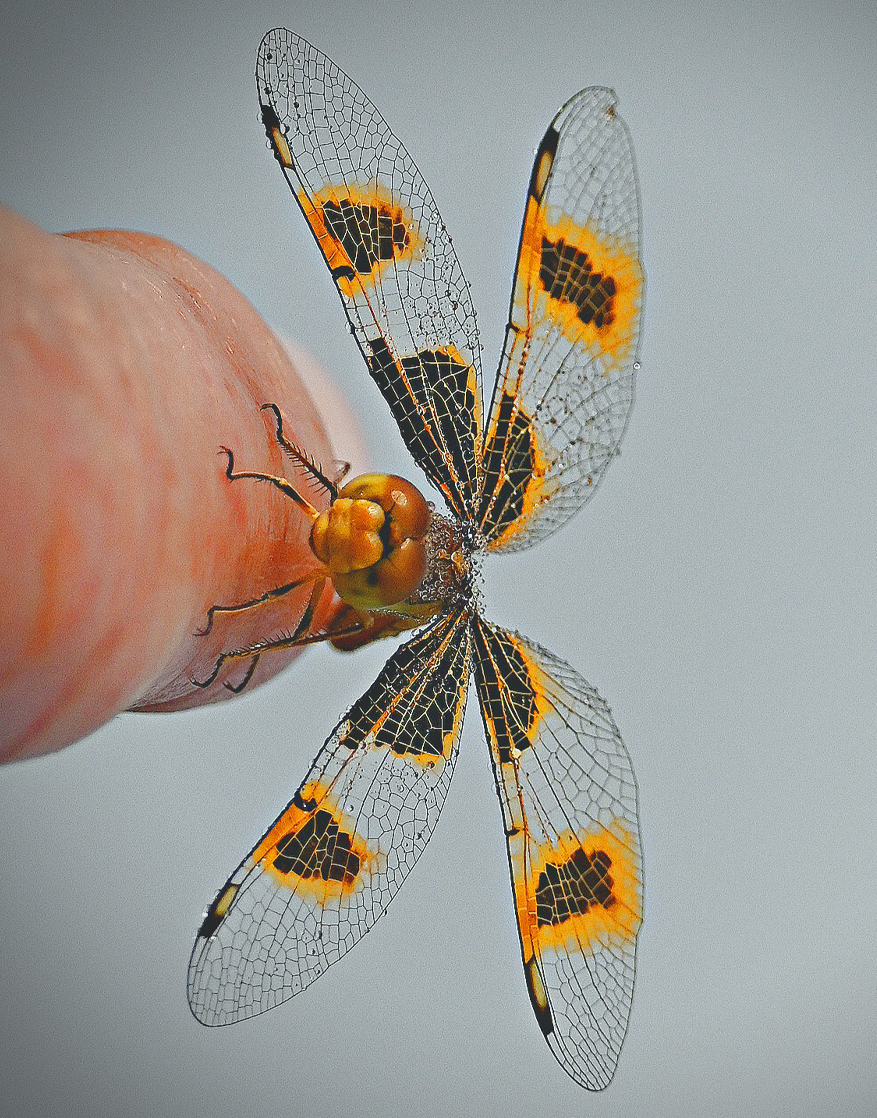
Palpopleura jucunda
One of South Africa’s smallest dragonflies, easily recognised by its small size and boldly patterned wings. Males have a blue abdomen, while females range from dull to bright yellow. It lives in low-lying swampy areas and short grass near streams and run-off. Found across much of sub-Saharan Africa, and feeds on mosquitoes.
Nominated by: Tommy Cowell
Photo: Tommy Cowell
8. Parktown prawn
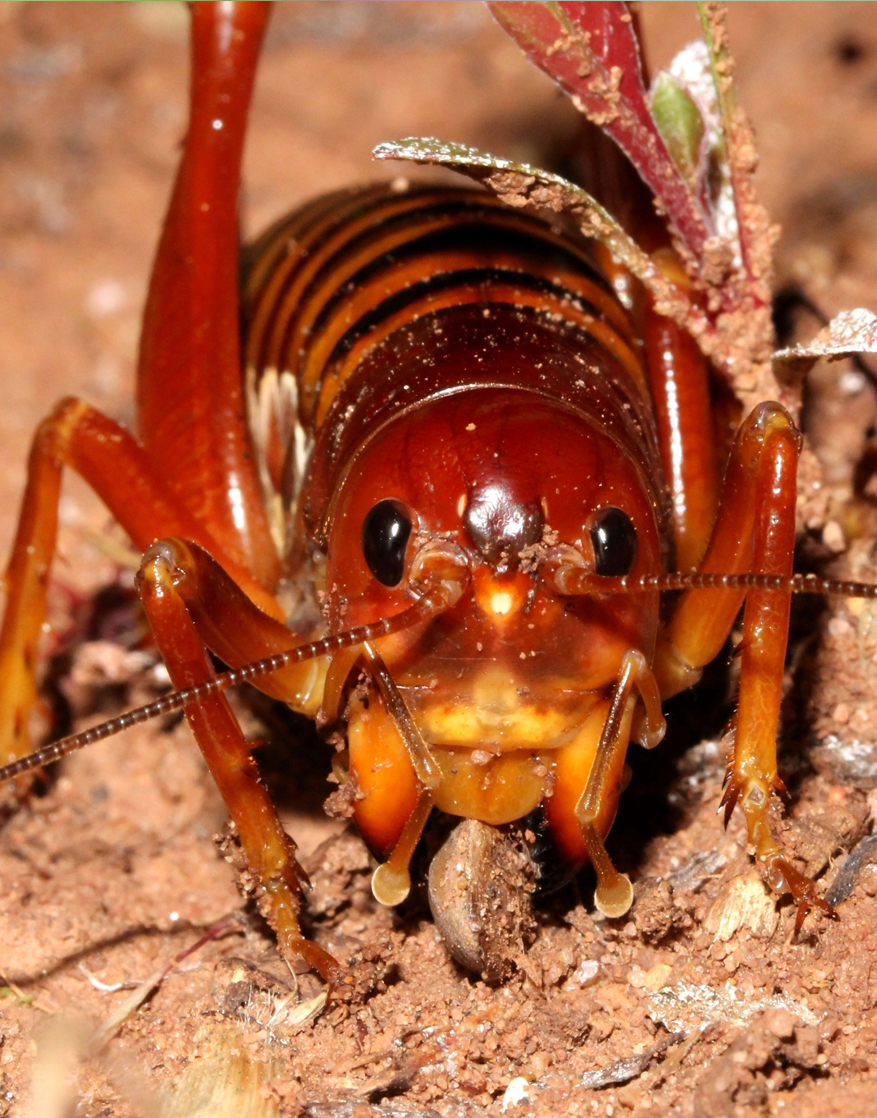
Libanasidus vittatus
Johannesburg’s most notorious resident is actually a garden ally. This king cricket, which can grow 6–7 cm long, hunts slugs, snails and cutworms and will eat almost anything else, from fallen fruit to pet food. Orange-brown with dark bands and very long antennae, it even inspired the look of the aliens in District 9.
Nominated by: Rajesh Rama, Renesh Thakoordeen, Takalane Khashane
Photo: CC BY-NC 4.0, wickus_, iNaturalist observation
9. Serious donkeyface weevil
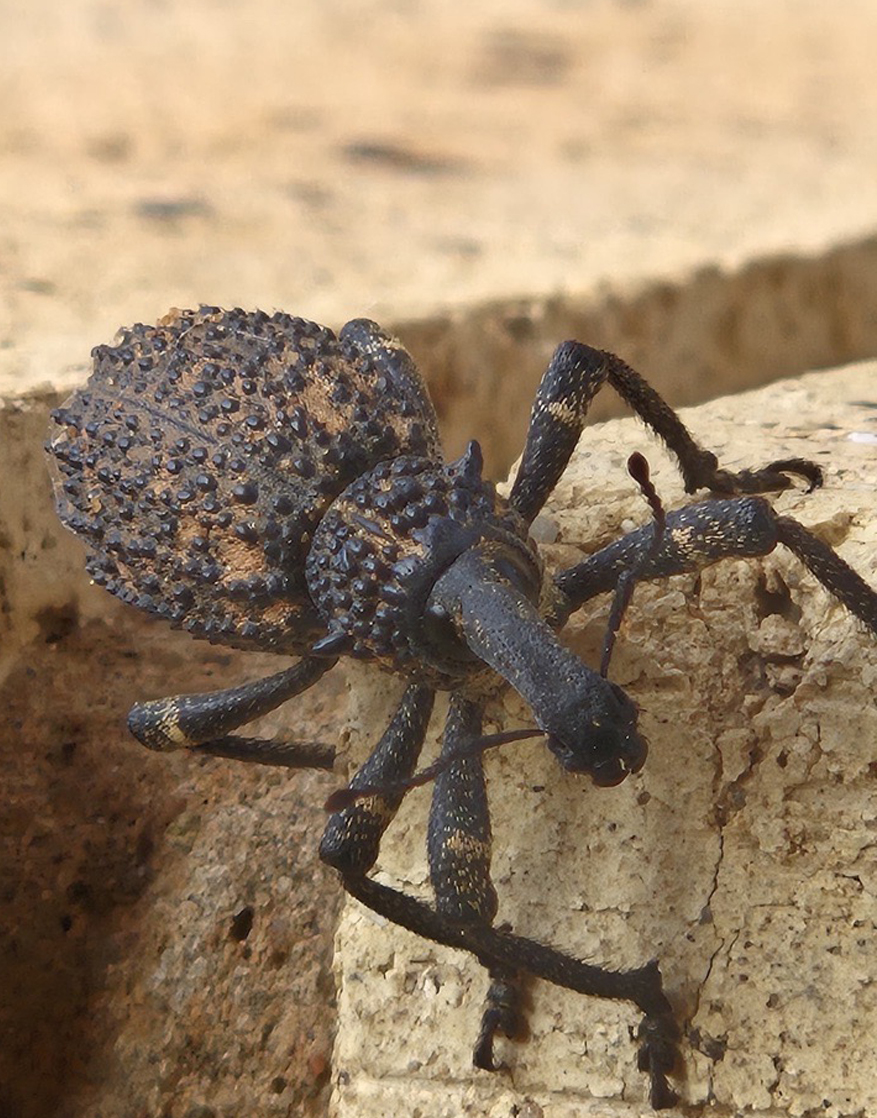
Bronchus severus
With its long snout and expressive “face”, this weevil looks permanently serious – hence its name. Found in protected areas such as the Kruger National Park, its sculptured exoskeleton and subtle colours reward a closer look. Weevils feed on plants, help with pollination and decomposition, and are food for birds, reptiles and amphibians.
Nominated by: Sandiso Mnguni
Photo: Sandiso Mnguni
10. Hawkmoth
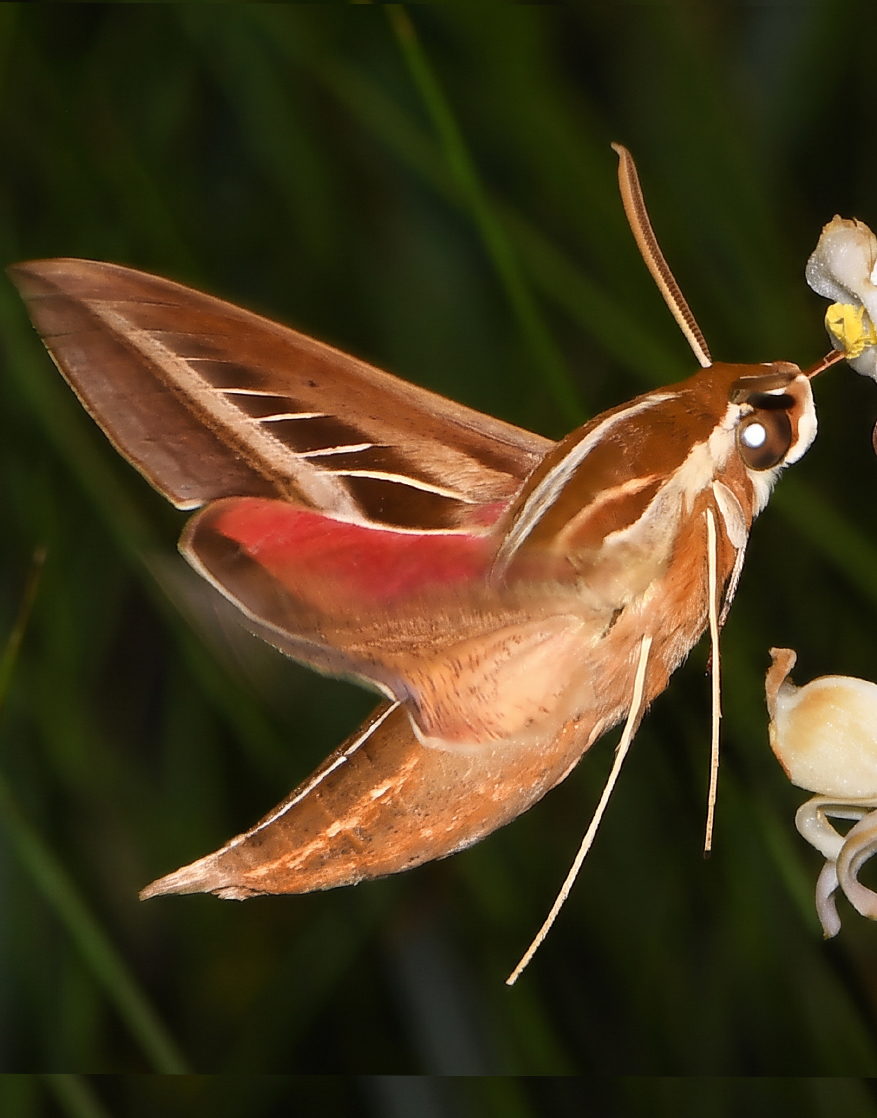
Basiothia schenki
An important night-time flower visitor, this small African hawkmoth has a distinctive white stripe down its abdomen and bright red underwings that flash in flight. Its 3–4 cm tongue lets it feed from many flowers – including short-tubed ones, where it probably steals nectar without pollinating. Its caterpillars feed on Vernonia plants.
Nominated by: Timo van der Niet
Photo: Timo van der Niet